

Just as a foundation supports a building, evidence underpins the entire structure of a criminal trial. Understanding the various types of evidence—such as witness testimonies, physical evidence, and digital records—is important for you to grasp how they influence a jury’s decision. This post will guide you through the different forms of evidence, their importance in establishing guilt or innocence, and the legal standards required for admissibility in court. By the end, you will appreciate why evidence serves as the backbone of justice in our legal system.
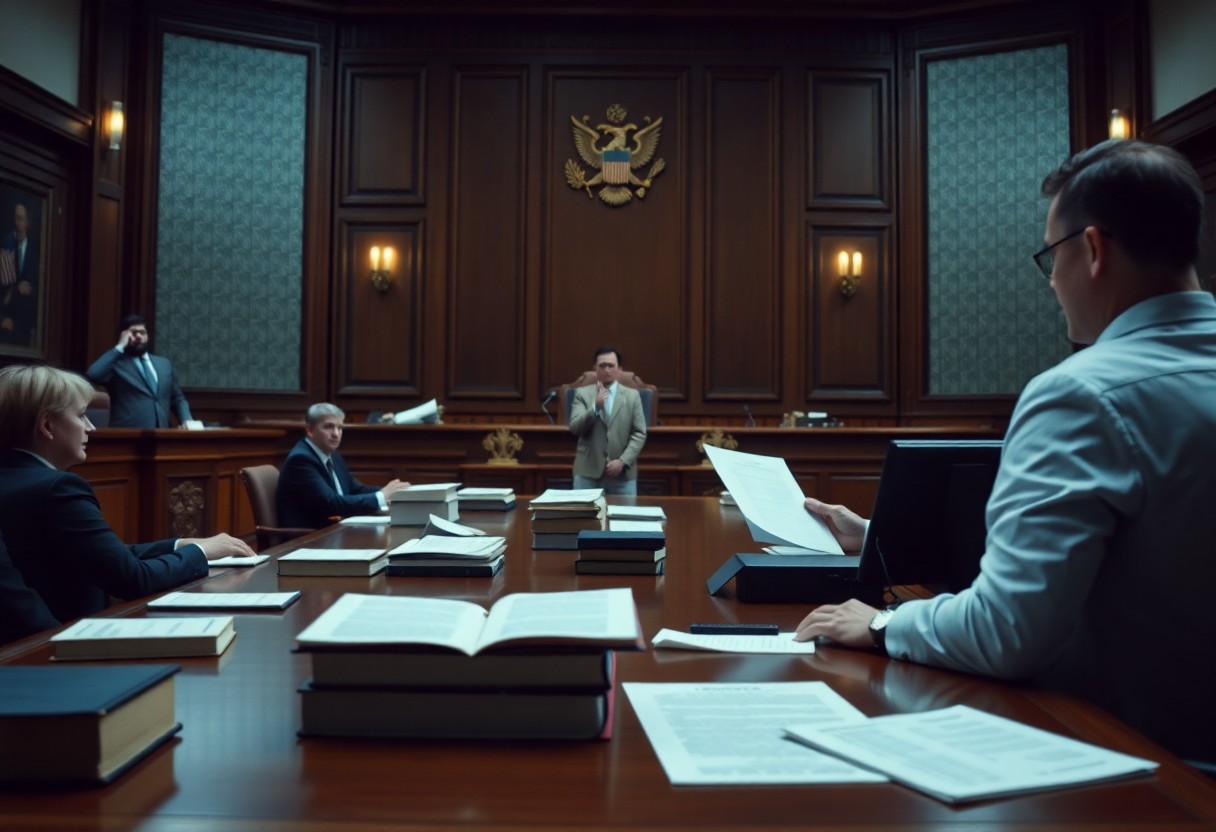
The Importance of Evidence in Criminal Law
While the pursuit of justice relies heavily on the presentation of evidence, it is this very evidence that facilitates the determination of guilt or innocence in criminal trials. The integrity and reliability of the evidence collected and presented play a pivotal role in ensuring that a fair verdict is reached, impacting your understanding of the judicial process and your trust in legal outcomes.
Definition of Evidence
Among the many aspects of criminal law, evidence refers to any material presented in court to support or challenge facts in a case. Evidence can take many forms, which contribute to your comprehension of the legal principles underlying criminal proceedings.
Types of Evidence
Evidence in criminal law can be categorized into various types, each serving its purpose during a trial. Some of the most common types include:
- Circumstantial Evidence
- Direct Evidence
- Documentary Evidence
- Testimonial Evidence
- Physical Evidence
This diverse range of evidence helps you understand how a case may be established or defended.
| Type of Evidence | Description |
|---|---|
| Circumstantial | Evidence that implies a fact but does not prove it directly. |
| Direct | Evidence that directly supports a truth, such as eyewitness testimony. |
| Documentary | Written materials presented to support claims, like contracts or emails. |
| Testimonial | Verbal statements made under oath by witnesses in court. |
| Physical | Tangible items or objects presented as evidence in a case. |
Further exploring the types of evidence, you’ll find that each category can significantly influence the outcome of a trial. For instance, physical evidence often holds substantial weight, as it provides tangible proof that can corroborate or contradict witness testimonies. It’s crucial to grasp these distinctions to appreciate their roles in the courtroom.
- Circumstantial Evidence requires you to make inferences based on the facts presented.
- Direct Evidence offers clear support without the need for speculation.
- Documentary Evidence provides a physical record to validate claims.
- Testimonial Evidence relies on the credibility of the witness sharing the information.
- Physical Evidence can be anything from weapons to fingerprints.
This categorical understanding will enhance your engagement with trials and the evidence presented within them.
| Category | Significance |
|---|---|
| Circumstantial | Invokes logic and reasoning to connect dots. |
| Direct | Often most persuasive due to clarity. |
| Documentary | Establishes authenticity and credibility. |
| Testimonial | Depends on witness reliability and clarity. |
| Physical | Provides concrete examples that support arguments. |
The Standards of Evidence
Any legal proceeding involves specific standards of evidence that guide how cases are evaluated and decisions are made. These standards are necessary in ensuring fairness and justice throughout the trial process. They dictate what evidence is admissible and how that evidence is weighed, impacting the ultimate outcome of criminal cases.
Burden of Proof
With every criminal trial, there exists a burden of proof that lies primarily with the prosecution. This means it is your responsibility as the prosecutor to present enough evidence to convince the jury of the defendant’s guilt. Establishing this burden is fundamental, as the presumption of innocence remains until the state satisfies its obligation to prove guilt beyond a reasonable doubt.
Preponderance of Evidence vs. Beyond a Reasonable Doubt
Beyond the burden of proof, you also need to understand the varying standards for evaluating evidence at trial. The concept of “beyond a reasonable doubt” applies to criminal cases, requiring you, as a juror, to be nearly certain of the defendant’s guilt before rendering a verdict. In contrast, “preponderance of evidence,” often used in civil trials, only requires that you believe the evidence shows that something is more likely true than not.
In addition, the distinction between these two standards is vital to the justice system. In criminal cases, the higher standard of “beyond a reasonable doubt” reflects the severe consequences that a guilty verdict carries, including potential imprisonment. It emphasizes the need for you to have a firm belief in the defendant’s guilt, protecting individuals from wrongful convictions. On the other hand, in civil cases, the “preponderance of evidence” standard allows for a more flexible assessment of the evidence, making it sufficient for you to determine that something is more likely true than not, which leads to different implications for the parties involved.
The Role of Evidence in Trial Proceedings
One of the most significant aspects of criminal trials is the role evidence plays in shaping the case’s outcome. Evidence serves as the backbone of arguments presented by both the prosecution and defense, helping you, as the juror or judge, to evaluate the credibility of claims made during the proceedings. Its quality, relevance, and admissibility are vital in determining whether the accused is guilty or innocent.
Presentation of Evidence
The presentation of evidence is a structured process where both sides introduce their findings to support their arguments. This includes physical evidence, witness testimony, and expert opinions, all carefully curated to persuade you of their validity. The effectiveness of this presentation directly affects how you perceive the case and ultimately influences your judgment.
Examination of Evidence
Evidence is subjected to thorough examination during a trial, allowing you to assess its reliability and relevance. Both the prosecution and defense have the opportunity to scrutinize the evidence presented, often through direct and cross-examination of witnesses. This process enables you to weigh the testimony and its implications, providing a comprehensive view of the facts before you.
Role of evidence examination is to foster a critical analysis of each piece presented. You must consider the credibility of witnesses and the context in which evidence is provided. By examining how evidence aligns with or contradicts other information, you gain insights that are imperative for making informed decisions about the legitimacy of claims made in court. This examination process ultimately clarifies complex narratives and guides you toward a fair verdict.

Challenges to the Admissibility of Evidence
All evidence presented in a criminal trial must meet specific standards to ensure fairness and justice. These challenges often arise when a party argues that certain evidence should not be included based on legal restrictions, procedural errors, or questions regarding its reliability. Understanding these challenges is vital for you as they can significantly impact the outcome of a case.
Legal Standards for Admissibility
Among the various legal standards governing admissibility, the most common criteria include relevance, reliability, and the balance between probative value and prejudicial effect. You should be aware that judges assess each piece of evidence based on these factors to determine whether it can be presented to a jury, ensuring that only suitable evidence contributes to the verdict.
Common Motions to Exclude Evidence
Beside the legal standards, various motions can be filed to exclude evidence from trials. These may include motions to suppress illegally obtained evidence, motions against hearsay, and motions challenging expert testimony. Such motions are fundamental to safeguarding your rights and ensuring that the evidence presented is not only relevant but also obtained through lawful means.
Evidence obtained unlawfully, such as through improper search and seizure, can lead to a motion to suppress, which aims to exclude it from the proceedings. When dealing with hearsay, which is often inadmissible unless it falls under established exceptions, the court may also entertain motions to exclude such statements. Additionally, expert testimony may be challenged if the expert’s methods are deemed unreliable or not scientifically sound. Understanding these common motions enables you to navigate the legal landscape effectively and protect your interests during a trial.
The Impact of Evidence on Jury Decision-Making
Despite the importance of legal arguments and witness testimonies, the evidence presented in a trial often plays a decisive role in jury decision-making. Jurors rely heavily on the quality, clarity, and credibility of the evidence when reaching their verdicts. This emphasis on evidence can significantly impact the outcome of a case, influencing how jurors interpret the facts and perceive the defendant’s guilt or innocence.
Persuasiveness of Different Evidence Types
Evidence types vary in their persuasiveness and can sway jury opinions dramatically. Consider the following factors:
- Direct evidence vs. circumstantial evidence
- Expert testimony authority
- Physical evidence reliability
- Documentary evidence clarity
- Witness demeanor and credibility
Thou must weigh the strengths and weaknesses of each type to form an informed judgment about the case.
| Type of Evidence | Persuasiveness |
| Direct Evidence | High |
| Circumstantial Evidence | Moderate |
| Expert Testimony | High |
| Physical Evidence | Very High |
Jury Instructions and Evidence Evaluation
Evidence plays a fundamental role in how jurors evaluate the case, guided by jury instructions provided by the judge. These instructions help you understand the different types of evidence and their legal significance, shaping your assessment of the information presented. It is imperative that you carefully listen to and apply these instructions as they dictate how to interpret the evidence and what conclusions can be drawn.
Even seasoned jurors must consider jury instructions closely, as they clarify what constitutes reliable evidence and how it should be weighed against the law. You must focus on the instructions to differentiate between relevant and irrelevant evidence, allowing you to arrive at a just conclusion based on the case specifics. Understanding these guidelines empowers you to make a thoughtful decision, reflecting the integrity of the judicial process.
Ethical Considerations in Using Evidence
Unlike other fields, the legal realm operates under stringent ethical norms regarding the use of evidence. Ensuring that evidence is admissible and relevant requires adherence to legal standards that uphold justice and fairness. You must be aware of these principles because ethical lapses can compromise the integrity of the trial process and adversely affect the outcome. Understanding these considerations not only informs your approach but also enhances your commitment to justice for all parties involved in a trial.
Prosecutorial Misconduct
With the immense power held by prosecutors, misconduct can significantly undermine the trial’s fairness. This includes withholding exculpatory evidence, manipulating witnesses, or using misleading evidence to sway a jury. You should remain vigilant about such issues, as they can skew the legal process and lead to wrongful convictions. Recognizing these unethical practices is important to ensuring that the rights of the accused are protected and that justice is genuinely served.
Defense Ethics in Presenting Evidence
After the prosecution lays out its case, ethical considerations for the defense come into play as you present your evidence. The defense must operate within the boundaries of legality, ensuring that all evidence is credible and obtained ethically. Upholding these standards not only protects your client’s rights but also maintains the integrity of the judicial process. It is your responsibility to accurately represent facts while avoiding any misleading or dishonest practices.
Due to the ethical obligations that defense attorneys face, you must ensure that all evidence presented is both applicable and truthful. This means avoiding the temptation to fabricate or alter evidence for a more favorable outcome. Upholding truthfulness helps you build a credible defense while fostering trust in the judicial system. Do not forget, your role isn’t just to win the case, but to ensure that justice is upheld, contributing to a fair trial and a functioning democracy.
Summing up
As a reminder, the role of evidence in criminal trials is fundamental in establishing the guilt or innocence of the accused. You must understand that different types of evidence, whether physical, testimonial, or circumstantial, significantly impact the jury’s perception of the case. The quality, reliability, and relevance of the evidence presented will influence the final verdict. Therefore, your comprehension of how evidence is utilized and assessed in court is vital for engaging with the criminal justice system, whether you are a legal professional, a defendant, or simply an interested party.