

Most individuals are aware of the phrase “You have the right to remain silent,” but few understand the full scope of their legal rights during an encounter with law enforcement. Knowing your rights not only prepares you for potential interactions with police but also empowers you to navigate the legal system effectively. This post will explore the importance of Miranda warnings, the legal protections they offer, and what you should do if you find yourself in a situation requiring legal assistance. Equip yourself with knowledge that can make a difference in critical moments.
Understanding Miranda Warnings
The Miranda warning is a vital legal safeguard designed to protect your rights during police interrogations. When you are detained and subject to questioning, law enforcement must inform you of your right to remain silent and your right to legal counsel. This ensures that you can make informed decisions about participating in the questioning process, ultimately preserving the fairness of the legal system.
Definition and Purpose
Below are the key elements of the Miranda warning: it primarily serves to inform you of your rights when facing custodial interrogation. The purpose is to prevent self-incrimination and safeguard your ability to seek legal counsel, allowing you to exercise your rights effectively during a potentially distressing situation.
Legal Implications
Any statement you make during questioning can be used against you in court if you haven’t received proper Miranda warnings. If law enforcement fails to provide these warnings, any evidence or confessions obtained may be deemed inadmissible. This principle helps ensure fair trials, as it places a check on law enforcement practices and emphasizes the importance of your rights during critical interactions with the justice system.
Miranda warnings play a significant role in protecting your legal rights. If you are interrogated without having been informed of your rights, the prosecution may struggle to use your statements in court. Understanding these implications not only empowers you during legal encounters but also serves as a reminder to assert your right to silence or counsel when needed, securing your position within the legal framework.
The History of Miranda Rights
There’s a significant legacy behind Miranda Rights, originating from the landmark Supreme Court case Miranda v. Arizona in 1966. This case established the requirement for law enforcement to inform individuals of their rights during custodial interrogations, specifically the right to remain silent and the right to an attorney. The decision aimed to protect the Fifth Amendment rights against self-incrimination, marking a pivotal shift in American legal practices and ensuring that you are informed of your rights when facing police questioning.
Key Supreme Court Cases
Beside Miranda v. Arizona, other key Supreme Court cases have shaped how your rights are recognized and enforced. Cases like Orozco v. Texas and Dickerson v. United States have reinforced the importance of Miranda warnings, clarifying law enforcement’s obligations to uphold your rights during interrogation. These judicial decisions play a foundational role in the evolution of your legal protections, illustrating that the justice system actively guards against coercive interrogation practices.
Impact on Law Enforcement Procedures
Above all, the establishment of Miranda Rights significantly impacted law enforcement procedures across the country. Police agencies were required to implement new protocols to ensure compliance with these legal standards, effectively reforming interrogation practices.
Further changes to law enforcement procedures include the development of training programs to educate officers about the necessity of delivering Miranda warnings prior to custodial interrogations. This shift aims to prevent potential violations of your rights and mitigate the risk of wrongful convictions stemming from coercive questioning tactics. Additionally, adherence to these protocols has become a critical component in evaluating the admissibility of evidence and confessions, ensuring that your rights remain prioritized in the criminal justice system.
Situations Requiring Miranda Warnings
It is crucial to understand that Miranda warnings are necessary in specific situations where your rights may be at risk. These warnings come into play during encounters with law enforcement that involve custody and interrogation. Without these warnings, any information you provide may not be admissible in court, potentially affecting your case and rights. Being aware of when these warnings should be issued can help you better navigate encounters with the legal system.
Custodial Interrogation
Custodial situations occur when you are deprived of your freedom in a significant way and are being questioned by law enforcement. If you find yourself in such a scenario, it’s important to know that you have the right to be informed of your rights before any interrogation begins. Without receiving these warnings, your statements may not hold up under legal scrutiny.
Exceptions to the Rule
Warnings may not always be required, depending on the circumstances surrounding your interaction with law enforcement.
In addition, there are specific exceptions where Miranda warnings may not apply, such as when the police are asking for routine background information or during public safety emergencies. In these cases, answering questions may be necessary for immediate safety concerns. Understanding these exceptions can help you better assess your rights and the legality of the situation you are facing.
Responding to Miranda Warnings
Many people may not fully understand how to respond when they hear their Miranda rights. These warnings, delivered by law enforcement, inform you of your rights to remain silent and to have an attorney present during questioning. Being aware of your options can significantly impact the outcome of any legal situation you might face.
Your Right to Remain Silent
Between the excitement and tension of an encounter with law enforcement, you may feel pressured to answer questions. However, you have the right to remain silent. This means you do not have to say anything that could incriminate yourself. Choosing to remain silent can protect you from unintentionally providing information that could harm your case.
Waiving Your Rights
At times, you might consider waiving your Miranda rights, believing that talking could be beneficial. Waiving your rights means you voluntarily give up your right to remain silent and proceed to answer questions. It’s important to recognize that this decision should be made thoughtfully, as anything you say can be used against you in court.
Your choice to waive your rights doesn’t eliminate the risks involved. When you decide to speak without a clear understanding of your circumstances and without the presence of an attorney, you can inadvertently undermine your legal standing. Always weigh the potential consequences and consider consulting with a legal professional before making this significant decision.
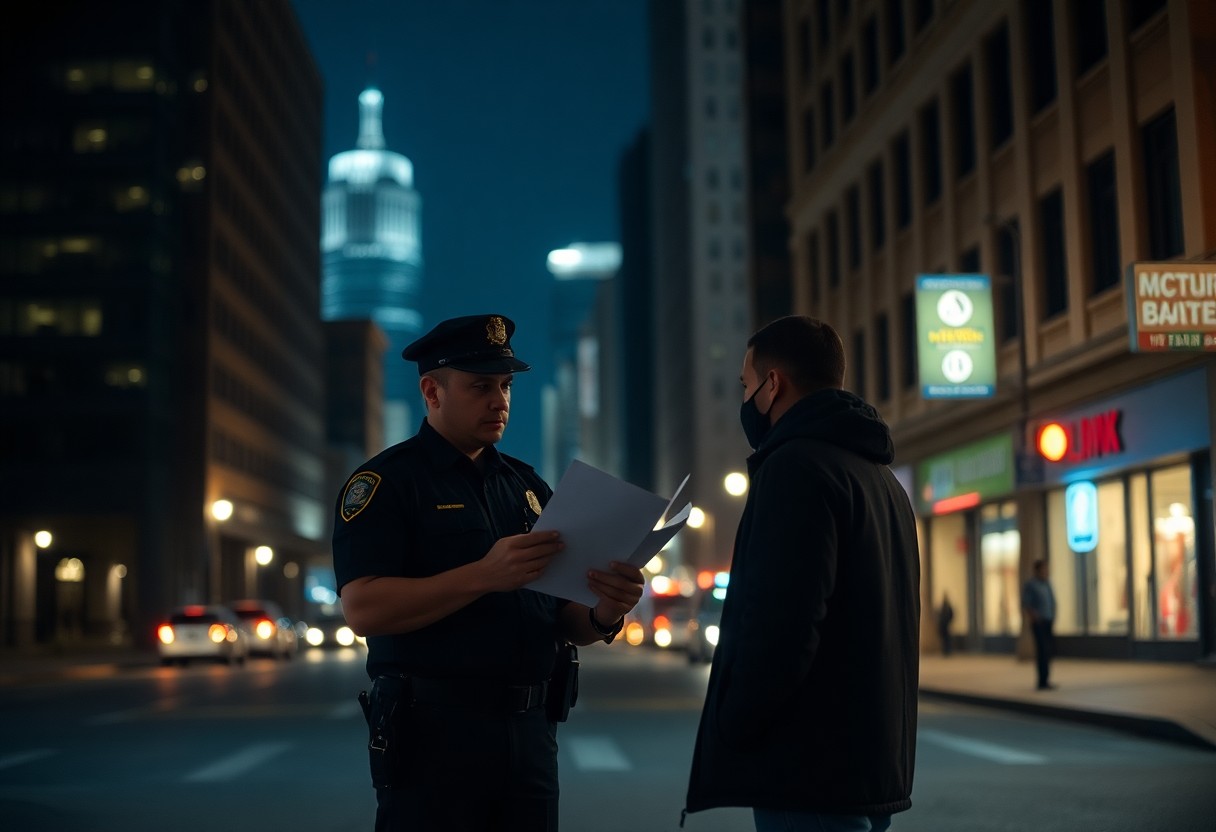
Beyond Miranda: Other Important Rights
Now that you understand Miranda warnings, it’s crucial to research deeper into your other rights that protect you during police encounters. These rights encompass various aspects of the legal system and serve as a safeguard against potential abuses. From the right to counsel to protections against self-incrimination, knowing these rights can significantly affect your interactions with law enforcement and the judicial process.
Right to Counsel
By exercising your right to counsel, you ensure that you have legal representation during any questioning or legal proceedings. This right is fundamental in helping you navigate the complexities of the law, as a lawyer can provide you with guidance and support to protect your interests in any situation.
Protection Against Self-Incrimination
Below, you will find information about your right to protection against self-incrimination, which prevents you from being forced to testify against yourself. This protection is embodied in the Fifth Amendment, which allows you to refuse to answer questions that could implicate you in a crime, safeguarding your right to remain silent.
This protection against self-incrimination is vital because any statements made in the presence of law enforcement can be used against you in court. You have the right to remain silent, and it’s often wise to exercise that right, as anything you say might unknowingly compromise your defense. Being aware of this right ensures you maintain control over what information you disclose during interrogations or legal proceedings.

The Impact of Miranda Rights on Legal Outcomes
After being arrested, understanding your Miranda rights can significantly influence the outcome of your case. These rights are designed to protect you from self-incrimination and ensure that you can make informed decisions during interrogations. When law enforcement properly administers Miranda warnings, it sets the stage for a fair legal process; failure to do so can lead to potential dismissal of your statements and evidence in court, impacting the prosecution’s case against you.
Case Studies
On examining several landmark cases, you can see how Miranda rights played a pivotal role in shaping legal outcomes. Here are some notable examples:
- Miranda v. Arizona (1966): The Supreme Court ruled that statements made during police interrogation could only be admissible if Miranda rights were read. This case led to the establishment of the Miranda warnings.
- Berghuis v. Thompkins (2010): The court held that a suspect’s silence doesn’t invoke their right to remain silent unless expressly stated, affecting outcomes in many cases.
- Salinas v. Texas (2013): The Supreme Court ruled that you can be penalized for not asserting your right to remain silent unless you vocalize it, impacting how suspects approach police questioning.
Consequences of Violating Rights
An infringement of your Miranda rights can lead to severe consequences in your legal battle. If law enforcement fails to provide the necessary warnings before questioning, any statements or confessions you make may be deemed inadmissible in court. This can weaken the prosecution’s case significantly, potentially resulting in a lower likelihood of conviction. Additionally, if the violation is egregious, it could lead to civil rights complaints against the police department, ultimately shaping future interactions and procedural policies.
A failure to uphold your rights not only affects your case but also highlights systemic issues within law enforcement practices. Misapplication of Miranda rights can erode public trust, leading to greater scrutiny of police behavior and increased advocacy for criminal justice reform. Being aware of these implications empowers you to understand your position and advocate for your legal well-being during encounters with law enforcement.
Final Words
As a reminder, understanding your rights, including the significance of Miranda warnings, is imperative in any interaction with law enforcement. Being aware of what you can and cannot do helps you navigate legal situations more effectively. It is your right to seek clarity on your rights during an arrest or questioning, so don’t hesitate to assert them. Knowledge empowers you; staying informed equips you to handle these circumstances with confidence and assurance.