
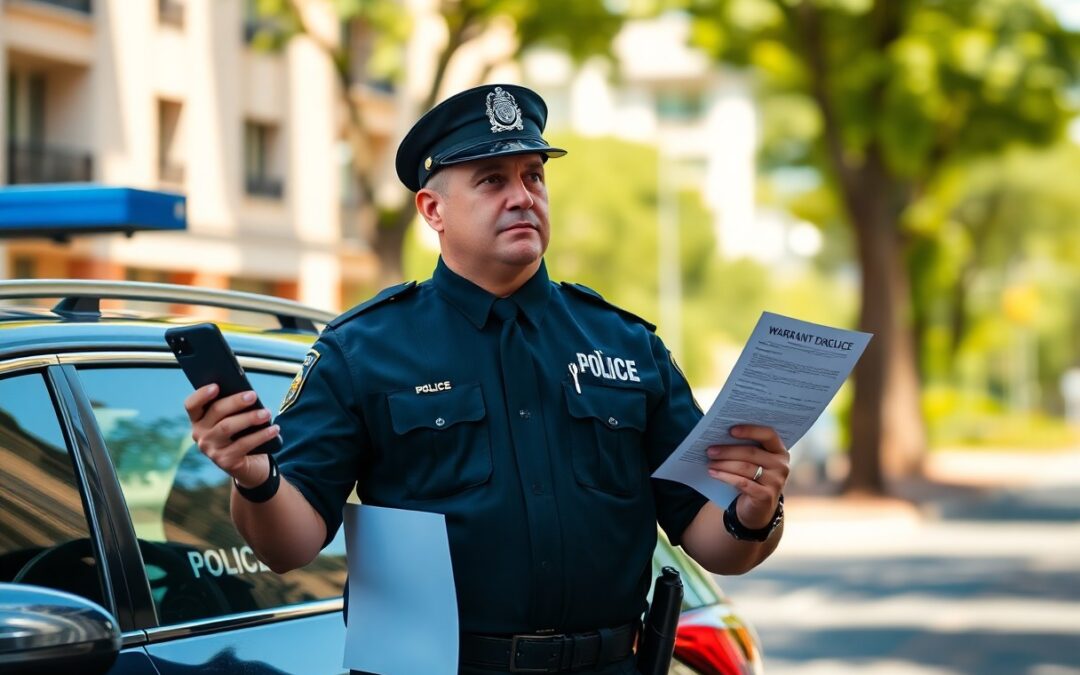
You may wonder if law enforcement has the right to search your phone without a warrant. Understanding your rights in such situations is vital for protecting your personal privacy. The legal framework surrounding phone searches has evolved, particularly with advancements in technology and privacy laws. This post will explore the circumstances under which police can access your phone, what your rights are in these scenarios, and how to respond if approached by law enforcement.
The Legal Framework Governing Searches
The legal landscape around phone searches is defined by various laws and regulations that balance law enforcement interests with individual rights. The Fourth Amendment of the U.S. Constitution plays a pivotal role, ensuring protection against unreasonable searches and seizures. This amendment sets the foundation for legal expectations surrounding privacy and warrants, particularly in the context of digital devices, which have become integral to everyday life. Understanding this framework can help you navigate situations where law enforcement may attempt to access your personal data.
The Fourth Amendment and Digital Privacy
Your digital privacy is significantly protected under the Fourth Amendment, which mandates that searches and seizures be reasonable and typically require a warrant. Courts have increasingly recognized that cell phones hold extensive personal information, such as texts, photos, and location data. Therefore, police searching your phone usually need a warrant to ensure that your Fourth Amendment rights are upheld, as the expectation of privacy extends to digital devices just as it does to your home or personal effects.
Key Supreme Court Rulings Impacting Phone Searches
Over the years, significant rulings by the Supreme Court have shaped the legal landscape regarding phone searches. For example, in *Riley v. California* (2014), the Court unanimously ruled that police must obtain a warrant before searching the contents of a cell phone during an arrest. This decision underscored the notion that phones hold vast amounts of personal information, necessitating stronger protections against unwarranted intrusions. Other rulings have addressed the nuances of digital information, emphasizing the need for law enforcement to respect your privacy in the digital age.
The *Riley v. California* case highlighted the difference between physical evidence and digital data. In this landmark decision, the justices noted that cell phones are fundamentally different from other objects, due to their capacity to store extensive private information. They emphasized that searching a phone entails accessing a vast digital repository, which could yield sensitive, unrelated information. This ruling effectively established a precedent requiring law enforcement to conduct searches of cell phones only with a warrant, thus reinforcing your right to digital privacy and setting strict guidelines for how police conduct themselves in the age of technology.
Circumstances That Allow Warrantless Searches
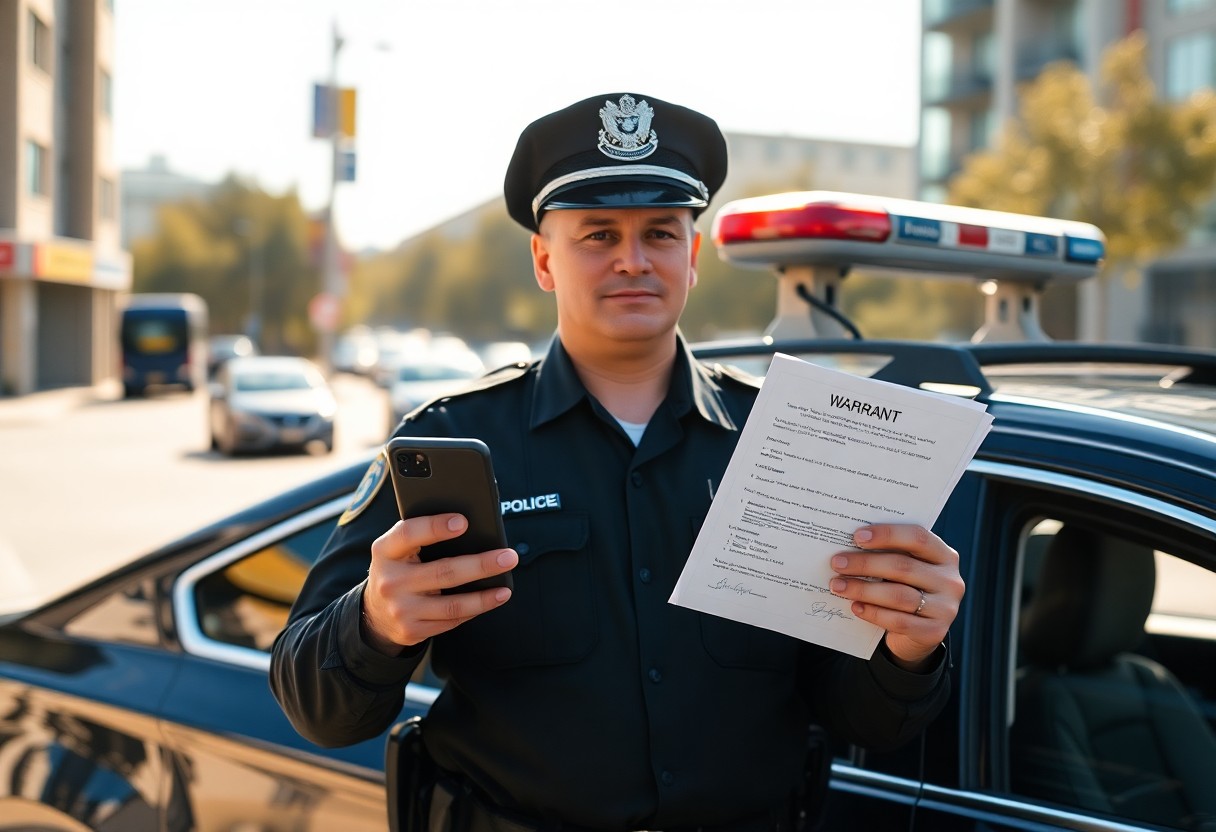
Warrantless searches can be conducted under specific circumstances that often prioritize immediate public safety or exigent situations. Law enforcement may bypass the warrant requirement if they believe that delays could hinder an ongoing investigation, pose a risk of danger to individuals, or lead to the destruction of evidence. Understanding these exceptions is important, as they can significantly affect your rights regarding privacy and search procedures.
The Role of Consent in Phone Searches
Consent plays a fundamental role in determining whether police can search your phone without a warrant. If you voluntarily agree to a search, law enforcement can proceed without a warrant, and this consent can be verbal or written. It’s crucial to be aware that once you consent, you forfeit your right to contest the legality of the search later on.
Exigent Circumstances and Their Implications
Exigent circumstances refer to situations that require immediate action and allow law enforcement to conduct a search without a warrant. This can include scenarios where, for instance, police are in hot pursuit of a suspect who may destroy evidence or cases where someone’s safety is at risk. The justification for such searches often lies in the need to preserve life or evidence, which can lead to significant legal complexities in court if challenged.
In legal terms, exigent circumstances are often scrutinized to determine if the police acted appropriately. For example, if officers are chasing a suspect believed to be heading toward a house with tangible evidence inside, they may enter without a warrant. However, the courts will analyze whether the urgency was genuine and if officers had enough probable cause to justify their immediate actions. Balancing public safety with individual rights, jurisdictions often require that police can demonstrate reasonable grounds for their belief that swift action was necessary. Therefore, while exigent circumstances can provide leeway for warrantless searches, the particulars of each situation are pivotal in any subsequent legal reasoning or courtroom evaluations.
The Effect of Technology on Privacy Rights
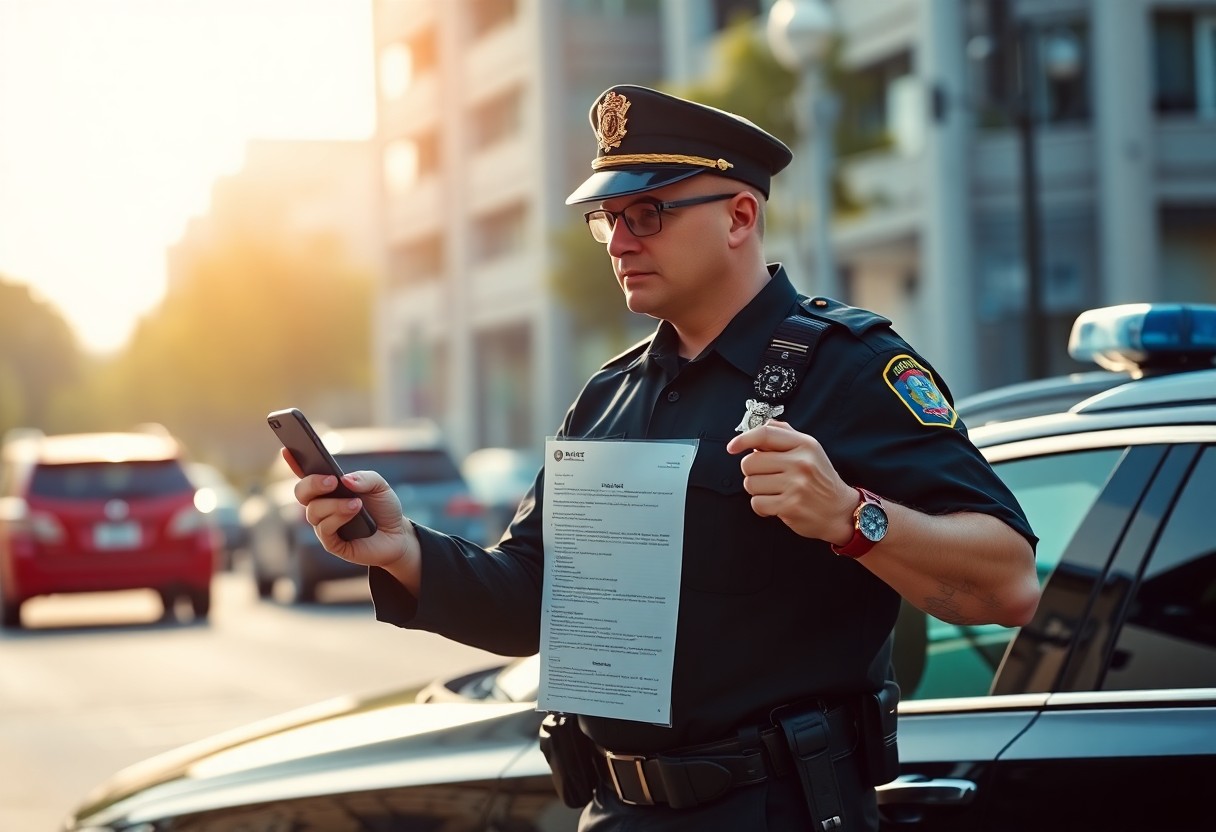
Advancements in technology significantly challenge traditional privacy rights. Every day, your smartphone collects vast amounts of personal data, including location, messages, and app usage. While these innovations enhance convenience and connectivity, they also create a paradox where law enforcement can potentially exploit this data, raising pressing questions regarding your Fourth Amendment rights against unreasonable searches. The intersection of technology and privacy demands that both citizens and lawmakers navigate an increasingly complex landscape to safeguard individual liberties in an ever-evolving digital age.
Encryption and the Evolving Risk Landscape
With encryption becoming more widespread, your ability to protect sensitive information has improved, yet so have the risks associated with law enforcement access to your data. As encrypted communications provide a shield, many courts are grappling with how this technology fits into existing legal frameworks. Your encrypted messages may ultimately fall under scrutiny, causing friction between your right to privacy and criminal investigations.
Understanding Cloud Storage and Its Legal Considerations
Cloud storage has transformed how you store and share data, but it also presents unique legal challenges concerning access and privacy. Unlike physical devices, data in the cloud can be stored on servers across various jurisdictions, complicating legal definitions of ownership and consent regarding searches. In many cases, you might unknowingly expose your data to anxiety-inducing scenarios where law enforcement can request information from service providers without your immediate awareness.
Concerning cloud storage, understanding the differences in legislation regarding digital data rights is vital. For instance, the Stored Communications Act regulates how government entities can access stored communications; however, interpretations vary significantly. If your data is stored on a server in a different state or country, it might face different legal protections. Therefore, being aware of where and how your data is stored can significantly impact your privacy rights and the potential for law enforcement access.
Practical Guidance: Protecting Your Digital Privacy
Your digital privacy can be safeguarded by taking proactive measures. Regularly update your device’s software, use strong passwords, and enable two-factor authentication. Familiarize yourself with your device’s privacy settings, and consider utilizing encrypted messaging apps for sensitive communications. Educating yourself on your legal rights and staying informed about current laws will empower you to protect your information effectively.
Steps to Take When Approached by Law Enforcement
If approached by law enforcement, remain calm and assertive. Politely inquire if they have a warrant to access your phone or its contents. If they do not, you have the right to refuse the search. Document the interaction, if possible, and consider contacting a legal representative immediately to protect your rights and ensure proper legal guidance.
Utilizing Security Features to Enhance Privacy
Your smartphone is equipped with various security features that can significantly enhance your privacy. Enabling lock screen methods such as biometrics, patterns, or PINs prevents unauthorized access. Additionally, using full disk encryption safeguards your data, ensuring that even if your device is lost or seized, your information remains secure. Regularly changing passwords and enabling app-specific locks further bolsters your phone’s defenses.
Full disk encryption, for example, encrypts the entire content of your phone, making it nearly impossible for unauthorized users to access your data without the proper credentials. Modern devices, such as the latest iPhones and Androids, often come with this feature enabled by default, protecting your information even in the event of theft. Pairing encryption with security features like biometric authentication (fingerprint or facial recognition) adds an extra layer of security. This means that accessing your phone requires your unique physical traits, making it significantly more challenging for others to gain entry.

Perspectives from Legal Experts and Law Enforcement
Legal experts emphasize the need for a clear framework that balances public safety with an individual’s right to privacy. Many argue that obtaining a warrant should be a priority to protect citizens from unreasonable searches. Law enforcement officials, while advocating for efficient policing, recognize the complexities surrounding digital privacy laws and the implications of accessing personal data without consent. Their perspectives highlight the importance of ensuring that while crime prevention is paramount, respect for civil liberties must not be overlooked.
Views on Balancing Public Safety with Privacy Rights
Opinions on striking the right balance between privacy and public safety diverge significantly among experts. Some believe that swift access to digital information can prevent crime, while others contend that this undermines civil liberties. Advocacy groups insist that police should prioritize obtaining warrants, as this not only protects individual rights but also bolsters community trust in law enforcement. Ultimately, safeguarding privacy rights should coexist with efforts to enhance public safety.
Ongoing Legislative Discussions Surrounding Digital Searches
Legislative bodies are grappling with the rapid evolution of technology and its implications for privacy rights. Recent proposals aim to clarify the criteria for law enforcement access to digital devices, with discussions centered on defining what constitutes probable cause in a digital context. Lawmakers are considering reforms that could either expand or restrict police powers, reflecting societal concerns about surveillance, data collection, and constitutional protections. This ongoing dialogue indicates a critical moment in shaping the future landscape of digital privacy laws.
As lawmakers scrutinize the intersection of privacy, technology, and law enforcement, they explore various aspects such as the legal definitions of consent and the standards for warrantless searches. Recent trends highlight the push for policies that require a clearer articulation of the need for digital searches, ensuring that citizens’ rights are preserved while giving law enforcement the tools needed to combat crime effectively. This legislative activity reflects a growing recognition of the need to adapt laws to an increasingly digital world, fostering an environment where the balance between security and privacy can be maintained. The outcome of these discussions will likely have lasting effects on how personal data is protected and accessed by authorities in the future.
Final Words
So, understanding your rights regarding police searches of your phone is vital. Generally, law enforcement cannot search your device without a warrant, as your phone contains personal information protected under the Fourth Amendment. However, exceptions can arise in certain scenarios, such as consent or exigent circumstances. Always stay informed about your rights, and consider seeking legal advice if you find yourself in a situation involving law enforcement and your device. Protecting your privacy is important, and knowing these details can help you safeguard your information.